Is Red Ginseng Good for Everyone? Some People Should Be Cautious

Red ginseng is widely regarded as a health supplement. Known for its potential benefits in supporting energy levels and immune function, it is also a popular gift during holidays and special occasions. However, just because red ginseng is widely used does not mean it is equally safe or beneficial for everyone.
Red ginseng is made by steaming and drying ginseng roots. This process changes the composition of its active compounds, which can influence how it affects the body. Depending on a person's health and how the supplement is used, both its potential benefits and risks may vary.
Based on guidelines from the Korean Ministry of Food and Drug Safety (MFDS) and information from various medical institutions, here's what you should know about taking red ginseng effectively and who should exercise caution.
Ginsenosides: Unique Compounds Formed During the Steaming Process
Fresh ginseng refers to ginseng that has not undergone processing. When fresh ginseng is dried without steaming, it becomes white ginseng. When it is steamed with its skin intact and then dried, it becomes red ginseng. Although both products come from the same plant, their chemical compositions change during processing.
One of the key active components in red ginseng is a group of compounds called ginsenosides, which belong to a class of substances known as saponins. Saponins are among the primary bioactive compounds found in ginseng, and ginsenosides are a group particularly characteristic of the plant. There are many different types of ginsenosides, and each may affect the body differently.
The composition of ginsenosides changes during steaming. According to a study published in the international journal European Food Research and Technology in 2015, steaming white ginseng in a sealed container at 98°C led to the formation of ginsenosides Rg3, Rk1, and Rg5, which were nearly absent in the original white ginseng.
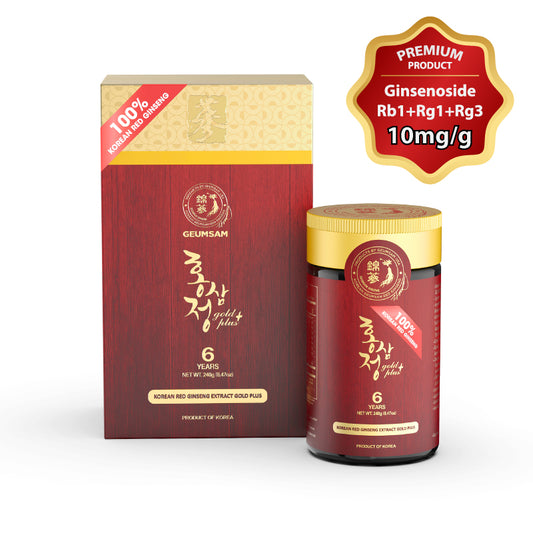
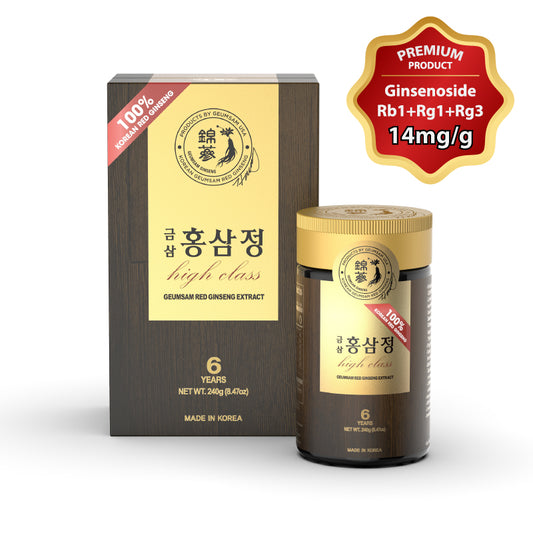
These compounds help distinguish red ginseng from white ginseng in terms of its biological activity. The MFDS also regulates red ginseng products based on their ginsenoside content. To qualify as a recognized health functional food in Korea, a red ginseng product must contain at least 2.5 mg of combined ginsenosides Rg1, Rb1, and Rg3 per gram.
Check Your Daily Ginsenoside Intake and Be Careful with Stimulants Like Caffeine
The MFDS has established recommended daily intake ranges for ginsenosides (the combined amount of Rg1, Rb1, and Rg3), depending on the intended health benefit.
- Immune support and fatigue improvement: 3–80 mg per day
- Blood flow support through inhibition of platelet aggregation, memory improvement, and antioxidant activity: 2.4–80 mg per day
- Women's health during menopause: 25–80 mg per day
Since the upper limit is 80 mg per day, do not exceed the daily serving amount indicated on the product label. If you take multiple red ginseng supplements, check their combined ginsenoside content to avoid exceeding the recommended upper limit.
Taking red ginseng alongside stimulants such as coffee may cause excessive stimulation, potentially leading to insomnia or heart palpitations. Thuy Nguyen, a doctor of Oriental medicine and licensed acupuncturist, advised against combining red ginseng with stimulants such as caffeine in an article published by Cleveland Clinic Health Essentials. She cautioned that "the combined effects can overstimulate the body."
People with High Blood Pressure, Diabetes, or Those Taking Blood Thinners Should Be Cautious
Red ginseng is not suitable for everyone. Based on information from the U.S. National Center for Complementary and Integrative Health (NCCIH), part of the National Institutes of Health (NIH), and the Mayo Clinic, the following individuals should consult a healthcare professional before taking red ginseng.
- People with high blood pressure: Caution is advised because ginseng may raise blood pressure in some individuals.
- People taking anticoagulants or antiplatelet medications: Consultation is recommended before use. Ginseng may affect blood clotting, and its use alongside blood thinners such as warfarin could increase the risk of bleeding.
- People taking diabetes medication: Red ginseng may lower blood sugar levels. When combined with glucose-lowering medication, it could increase the risk of hypoglycemia, or dangerously low blood sugar.
- Pregnant or breastfeeding women: Medical advice is recommended before use. Oral ginseng may not be safe during pregnancy, and its safety during breastfeeding has not been established.
- People scheduled for surgery: Stopping ginseng approximately two weeks before surgery is generally recommended because it may increase the risk of bleeding and low blood sugar.
Red ginseng is a health supplement, not a medication that treats disease. It should not be relied upon as a substitute for medical treatment. If you take prescription medications or have an existing medical condition, consult your healthcare professional before adding red ginseng to your routine. Do not start, stop, or change any prescribed medication without medical advice.
Source: HiDoc (https://news.hidoc.co.kr/news/articleView.html?idxno=65053)